
Speak with a wash bay specialist

0434 314 803

Australia-wide systems and project support

Vehicle & Machinery Washdown

Water Management

Separate oil, reuse wash water or control runoff. We help vehicle and machinery wash sites select the right treatment and diversion pathway.

Oil separation

Treatment & reuse

Runoff diversion

Treatment selected around your wash water

Find the right water system

Choose the closest match. If your site needs more than one function, we can help connect the right systems.

Oil water separator unit with pump and controls

Remove oil from wash water

For vehicle and machinery wash sites handling free oil and settleable solids. An oil water separator may form part of a wider treatment system.

Start here if: you need to separate free oil before the water moves to its next destination.
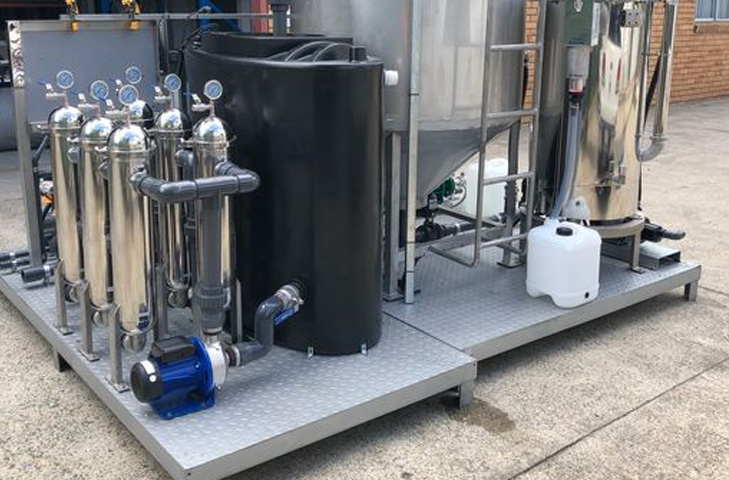
Wash water recycling equipment

Reuse your wash water

For sites with recurring wash demand that want to recover water and treat it for an agreed reuse purpose.

Start here if: you want to reduce reliance on fresh water and understand what treatment and storage are needed.
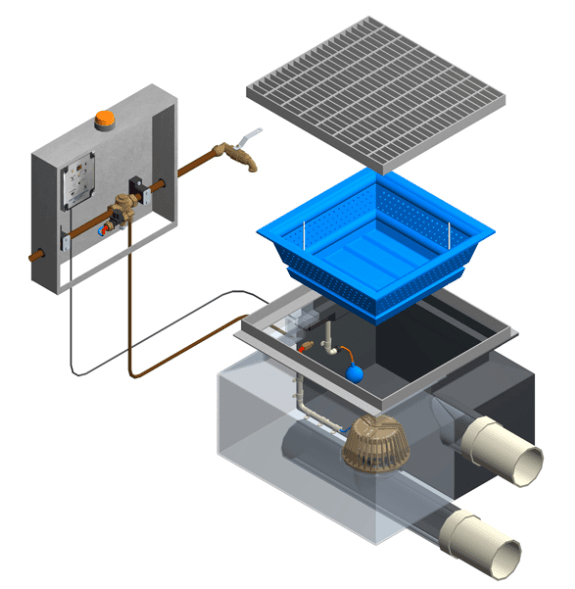
First flush diversion system

Capture initial rainfall runoff

For exposed wash areas or catchments where the initial rainfall runoff may carry accumulated contaminants.

Start here if: you need to route the first flush to capture or treatment, with later runoff managed under the site’s requirements.
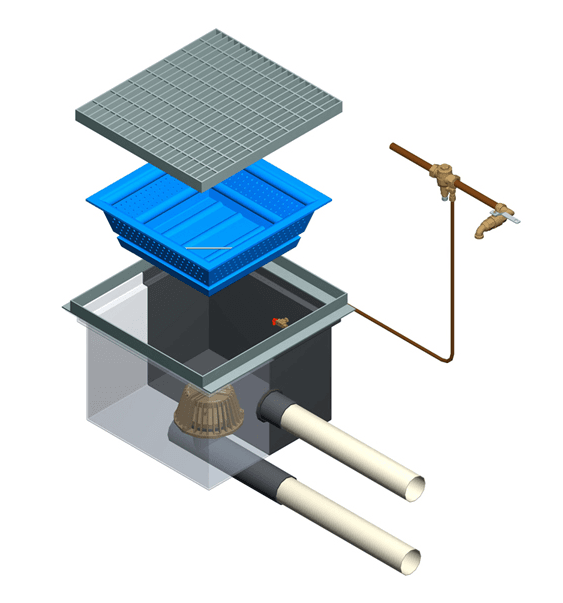
Demand driven washdown diversion system

Divert water during washing

For wash areas that need drainage to switch automatically during an active wash operation.

Start here if: wash water needs to reach containment or treatment without relying on someone changing a manual valve.

Follow the water pathway

This is an indicative pathway. The stages and their order are selected for your site; every installation does not need every stage.

  1. Capture. Contain wash water and direct it from the wash area.
  2. Solids control. Manage grit, soil and other solids before downstream equipment.
  3. Hold and transfer. Provide storage, controlled flow and pumping where required.
  4. Treat. Select separation, filtration or further treatment for the water.
  5. Reuse or manage. Route water to its specified reuse, accepted discharge or disposal pathway.

Planning your system

Is the problem oil in the water, fresh-water demand, or wash water going to the wrong drain? Send a few photos and describe what happens now.

Your proposal identifies the selected treatment or diversion equipment, required connections and any holding or further treatment needed. Freight and availability are confirmed for your delivery location.

Already have equipment? Send its model details so we can discuss an upgrade or connection rather than assume you need a complete new system.

  • What are you washing? Vehicles, machinery, frequency and estimated water use.
  • What is in the water? Oil, soil, grit, detergents and any known contaminants.
  • Where should the water go? The intended reuse purpose or site requirements.
  • What is already on site? Drainage, tanks, treatment equipment, available space, water and power.

Questions before you order

Do I need treatment, diversion or both?

Diversion controls the drainage route; treatment addresses contaminants in the captured water. A site with washing and rainfall exposure may need both. Tell us how the area operates and where each water stream needs to go.

Can you work with an existing wash bay?

Start by sharing the existing drainage layout, equipment and intended water destination. We can assess the equipment interfaces and what needs further investigation before recommending a configuration.

Will an oil water separator make water suitable for reuse?

A separator addresses free, non-emulsified oil and settleable solids. Reuse suitability depends on the other contaminants and the intended use; additional treatment may be required. The Water Recycling page explains the wider pathway.

Need a wash area as well?

Call us or send an enquiry

Tell us about your site.

Share what you’re washing, the site location and the water-management requirements you know. We’ll help work through the configuration and the information needed for a clear equipment quote.

Plan your permanent wash area

Tell us about your fleet, daily wash demand and proposed site layout. Include existing drainage, available services and your intended discharge or reuse pathway. A site plan is useful if you have one.

Discuss your separator requirements

Tell us about the wastewater source, expected flow, oil and solids load, detergents and proposed discharge point. Send any existing equipment details or water test results you have.

Discuss your wash-water reuse requirements

Tell us what you wash, daily water demand and the contaminants or detergents involved. Include the intended reuse, existing collection equipment and space available for treatment and storage.

Price your light vehicle biosecurity package

Tell us about your utes or 4WDs, the largest vehicle dimensions, site location and when you need the package.

Discuss your heavy vehicle biosecurity package

Tell us which trucks need clean-down, their dimensions, your site location and required timing. Include a few photos if you have them.

Price your detailing wash bay

Tell us about the vehicles you detail, your available space and site location. Let us know whether you want to add a pressure washer or use your existing equipment.

Price your construction wash bay

Tell us about your construction-site trucks and utes, site location and when you need the package.

Discuss your custom wash bay

Send your largest vehicle dimensions, site footprint and access layout. Tell us about wash frequency, available services and any relocation requirements so we can discuss a suitable configuration.

Plan first flush diversion for your site

Send the exposed catchment area, drainage layout and the residues left on the surface. Include the proposed holding or treatment system, site location and project timing.

Discuss your washdown diversion system

Tell us how washing is activated, the wash-water supply arrangement and where the drain currently leads. Include your site layout, rainfall exposure and the intended wastewater destination.

Work out your wash-water system

Describe the water you collect and what needs to happen next: storage, oil separation, reuse or diversion. Send your site location, wash demand and existing equipment details.

Plan your biosecurity washdown setup

Tell us which vehicles need clean-down, the largest dimensions, and the material being removed. Include your site location, available services and project timing.

Find the portable wash bay for your site

Send your largest vehicle dimensions, available footprint and supporting-surface details. Tell us how often you wash, where the collected water will go and when you need the system.

  • Your vehicles or equipment

    Send your largest vehicle dimensions and how often you wash.

  • Your site and services

    Available space, water, power and relocation requirements.

  • Your timing and water pathway

    When you need the system, and how captured water will be managed.

  • Your wastewater

    Source, expected flow, oils, solids and detergents. Include test results if available.

  • Your existing system

    Collection, drainage, pumping, available space and treatment equipment.

  • Your water destination

    Proposed discharge or reuse, site location and project timing.

Still working out the details? Send what you know. We can help identify the information needed to select your system.

Prefer to talk it through? Call us.0434 314 803
Not sure which system fits?

Share a few more site details and we’ll help you choose.

Help Me Choose a Wash Bay →
Choose a package, or select Not sure and tell us what you need.
Tell us what you need to wash, your site location and any sizing or setup details. Include any options you would like us to quote.