
BUILT FOR ONGOING WASHDOWN
When is a permanent wash bay the right choice?
A permanent wash bay suits established sites where vehicles, machinery or equipment are washed regularly. The containment area, drainage and water-management equipment can be incorporated into purpose-designed fixed infrastructure.
Compared with a portable system, permanent wash bays require greater site planning and civil commitment but provide a durable, long-term washdown area configured around how the site operates.
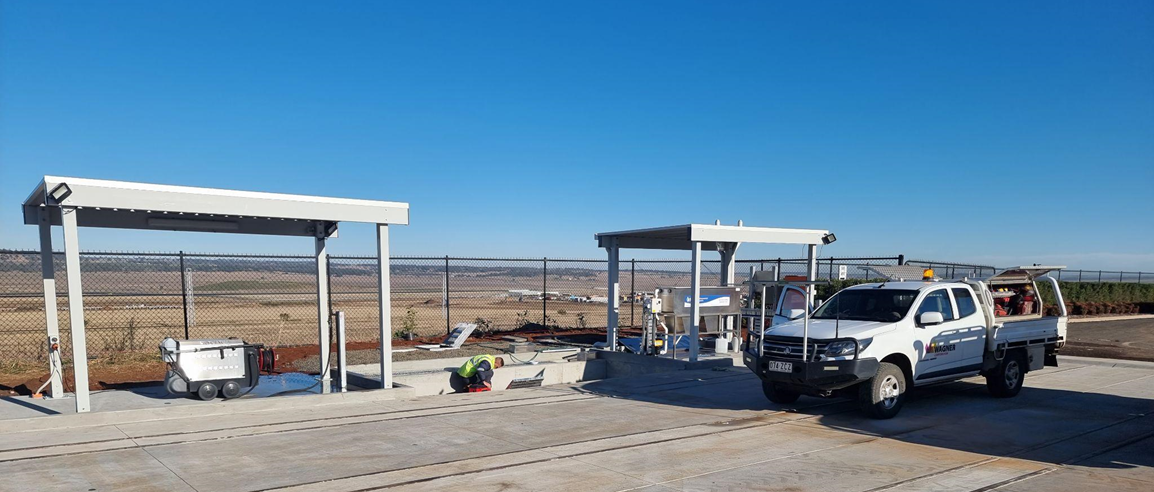
Fleet / Depots
Fleet and Transport Depots
A permanent wash bay suits established sites where vehicles, machinery or equipment are washed regularly. The containment area, drainage and water-management equipment can be incorporated into purpose-designed fixed infrastructure.
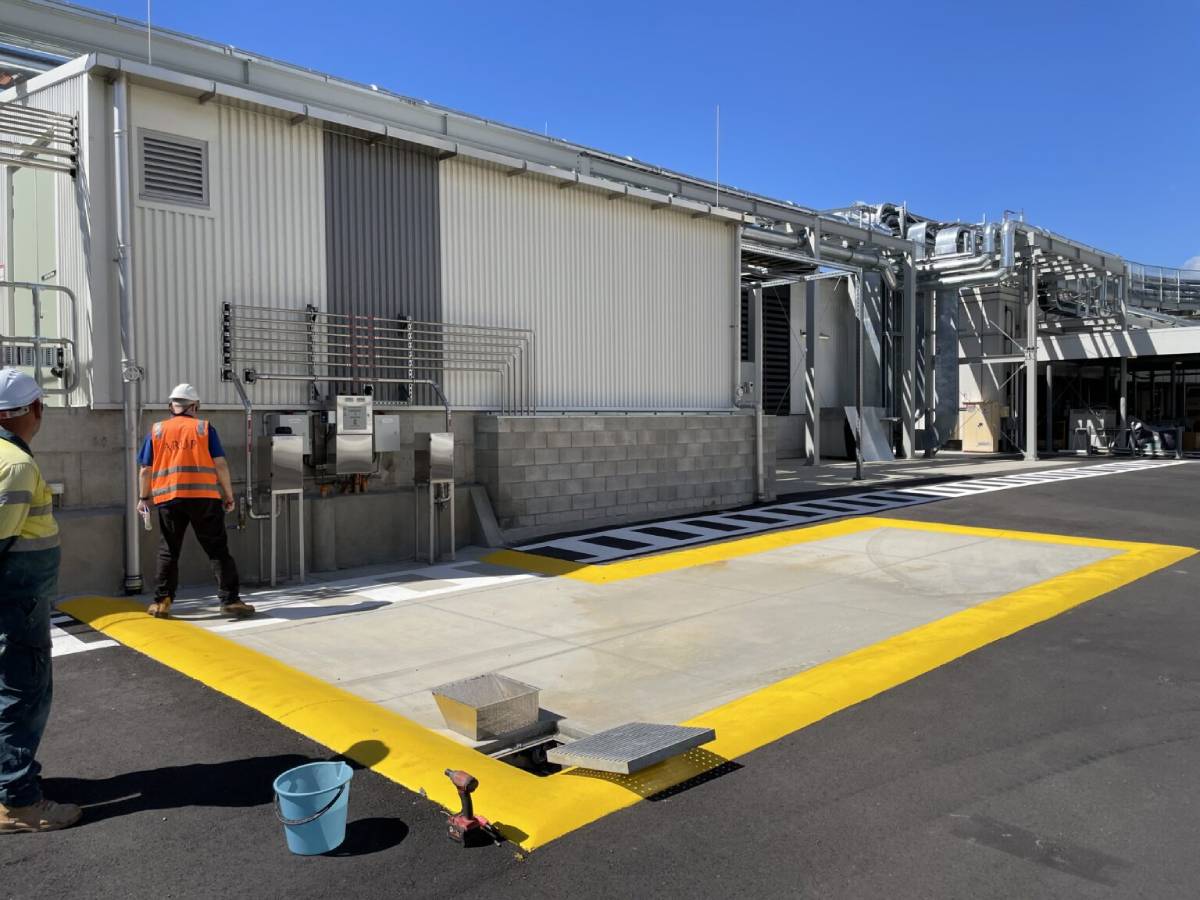
Integrated Systems
Design
Integrate washdown into a long-term workshop or service facility, with containment, drainage and treatment requirements planned around maintenance activity, available services and the intended wastewater pathway.

Equipment / Machinery
Heavy vehicles, plant and machinery
Plan the containment area, access, collection points and gross-solids management around vehicle dimensions, operating weights, tyres or tracks and the mud, sediment or oil likely to be washed off.
PLAN BEFORE CIVIL WORKS
What should be planned before permanent wash bay construction?
A permanent wash bay should be scoped before civil drawings, drainage layouts and concrete work are finalised. The vehicles, wash activity and intended wastewater pathway influence the required footprint, slab design, falls, collection points and treatment equipment.
Trade Wash reviews the operating and water-management requirements so the wash bay equipment can be specified around the proposed site infrastructure.
- Largest vehicle or machine, operating weight and axle loads
- Vehicle entry, departure, turning room and traffic direction
- Expected wash frequency, daily throughput and litres used
- Available footprint, ground conditions and proposed wash location
- Mud, sediment, oil, detergents and other likely contaminants
- Slab falls, drainage channels, collection pits and gross-solids capture
- Available water, power, pumping distance and other site services
- Proposed treatment, recycling, approved discharge or disposal pathway
CONTAINMENT, DRAINAGE AND TREATMENT
How does a permanent wash bay contain and manage wastewater?
Vehicle and machinery wash water can contain soil, sediment, oil residues, detergents and other contaminants. A permanent wash bay uses purpose-designed containment and drainage to keep this water within the wash area and direct it towards an appropriate management pathway.
The required collection and treatment equipment depends on the wash activity, likely contaminants, water volume and approved discharge, disposal or reuse destination.
01
Contain the wash area
Use a purpose-designed slab, kerbing or bunding and appropriate surface falls to prevent wash water from leaving the designated washdown footprint.
02
Drain and collect
Direct captured water through channels or grated drains to collection pits, sumps and gross-solids traps sized around the expected wash activity.
03
Manage the contaminants
Use oil-water separation, filtration or other treatment selected according to the sediment, oils, detergents and required outlet-water quality.
04
Route the water correctly
Direct the water towards an approved trade-waste connection, holding tank, recycling system or authorised off-site disposal pathway..
Outdoor wash bays may also require a diversion arrangement that separates stormwater flows from active washdown water. The appropriate approach depends on the site drainage, wash activity and requirements of the relevant water or environmental authority.
BUILT FOR ONGOING WASHDOWN
Components supplied for permanent wash bays
Trade Wash supplies specialist containment and diversion components for incorporation into permanent wash bay projects. We help identify the appropriate equipment around the wash activity, site drainage and whether the wash area is roofed or exposed to rainfall.
Concrete slabs, drainage construction, plumbing, electrical and other civil works are completed by the project’s builder or licensed contractors.
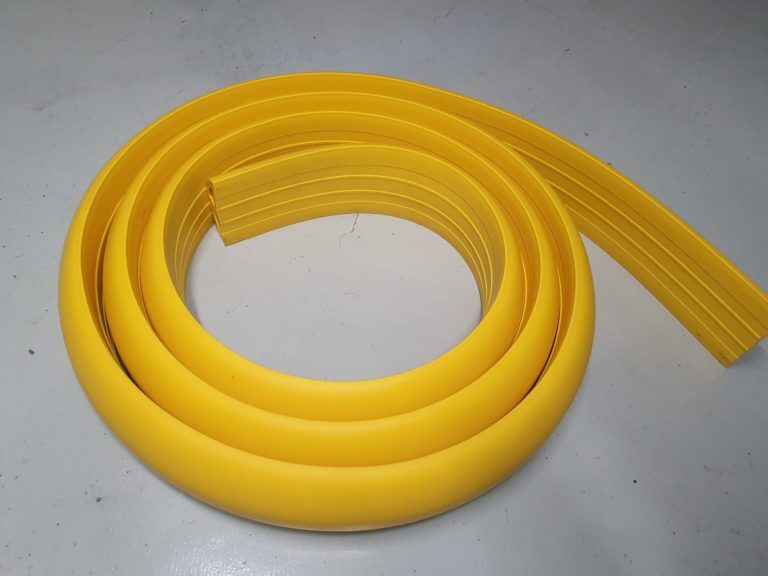
Containment
Rubber Floor Bunding
Create a drive-over perimeter around the designated wash area to help contain wash water on the existing surface.
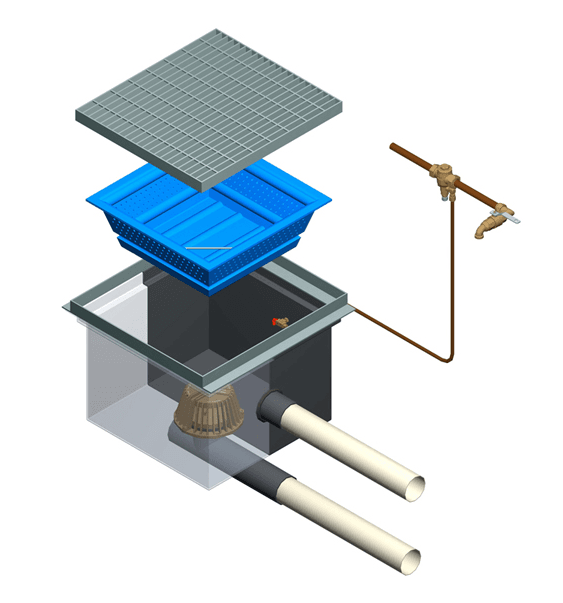
Diversion Systems
DD600 Demand Driven Washdown Diversion System
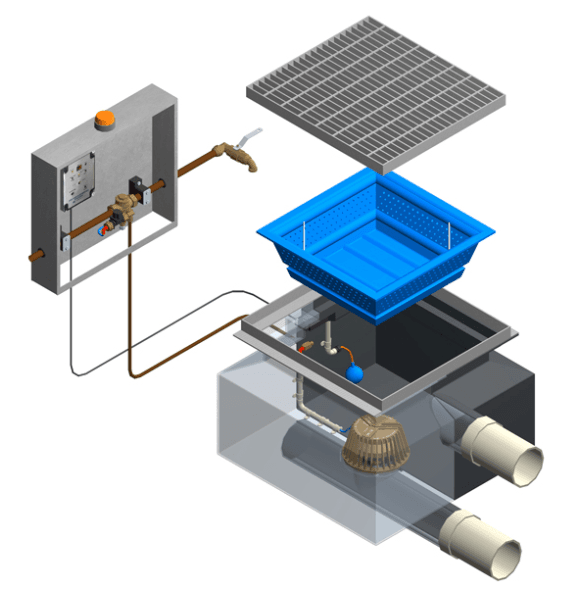
Designed for controlled wash bays, the DD600 automatically diverts active washdown water towards the selected treatment or trade-waste pathway while allowing normal rainfall flow to return to stormwater.
First Flush Diversion
FF600 First Flush Diversion System
Designed for unroofed wash bays and hardstand areas, the FF600 captures the initial contaminated rainfall runoff and diverts it towards treatment before managing subsequent rainfall separately.
COMPARE OPTIONS
Roofed or unroofed permanent wash bay?
Whether a wash bay is roofed changes the volume and type of water the collection and treatment system must manage. Roofing can reduce clean rainfall entering the contained wash area, leaving the system to manage primarily wash water. An unroofed wash bay must manage both active washdown water and rainfall falling across the contained catchment. This requires a deliberate stormwater-diversion, first-flush and storage strategy based on the site layout and local rainfall conditions.
The appropriate diversion system depends on how washdown is activated, what residual contaminants may remain after washing and how rainfall must be managed. The DD600 and FF600 requirements should be confirmed before the drainage design is finalised.
| Option | Best Suited to | Delivery | Site Commitment |
|---|---|---|---|
| Roofed bay | Regular fleet or workshop use | Wash water | Lower rainfall exposure |
| Unroofed bay | Open yards and large plant | Wash water plus rainfall | Lower rainfall exposure |
| Hybrid layout | Large or staged operations | eparated catchments | Project-specific |
COST AND PROJECT SCOPE
What determines permanent wash bay cost?
The total cost of a permanent wash bay has two parts: the fixed infrastructure designed and installed by project contractors, and the specialist containment and diversion components supplied by Trade Wash.
A reliable component price requires basic information about the wash area, roof coverage, rainfall catchment, wash activity and proposed wastewater pathway.
Wash area and catchment
The contained footprint and, for unroofed areas, the rainfall catchment influence the required drainage, diversion and storage capacity.
Vehicles and wash activity
Vehicle size, wash frequency, water use and expected contaminants affect the type and capacity of the required equipment.
Containment requirements
The required bunding length, corners, terminations and drive-over crossings affect the containment component cost.
Diversion-system selection
DD600 or FF600 requirements depend on roof coverage, how washdown is activated and the site’s rainfall-management strategy.
Treatment and storage
Silt capture, oil-water separation, holding or recycling equipment may be required depending on the approved wastewater pathway.
Civil works and installation
Concrete, drainage, roofing, excavation, plumbing, electrical work and approvals are priced and completed by the project’s contractors.
PERMANENT WASH BAY FAQS
Before you request pricing
Requirements differ according to roof coverage, site drainage, wash activity and the approved wastewater outlet. These answers clarify Trade Wash’s supply scope and the decisions that should be made before components are specified.
Does Trade Wash construct or install permanent wash bays?
Trade Wash supplies containment, diversion and related water-management components, together with supporting product information. Concrete, roofing, drainage installation, plumbing, electrical and other civil works are completed by the project’s builder or licensed contractors.
Does a permanent wash bay need to be roofed?
Not necessarily. Roofing can reduce the amount of rainfall entering the contained wash area and lower the volume requiring management. An unroofed bay needs a deliberate washdown-diversion, rainfall and first-flush strategy.
What is the difference between the DD600 and FF600?
he DD600 responds to washdown demand and diverts active wash water towards the selected treatment or trade-waste pathway. The FF600 combines washdown diversion with a programmable first-flush sequence that captures the initial contaminated rainfall runoff from an exposed wash area.
Does every permanent wash bay need an oil-water separator?
Not automatically. Treatment requirements depend on the solids, free oils, detergents and other contaminants in the wastewater and the quality required at the approved outlet. An oil-water separator should be selected from the wastewater characteristics – not simply because the site has a wash bay.
What information is needed for component pricing?
Provide the site location, roofed or unroofed status, wash-area dimensions, vehicle types, wash frequency, expected contaminants, proposed wastewater destination and any available photographs or drawings.